What is a leak?
A leak is an unintentional escape of a liquid or gas from a closed system. This is a very broad definition, so it’s important to consider the context when discussing leaks.
The main types of leaks we address at Cadis are:
- Harmful leaks: water, fuel, or another liquid escapes from a pipe or container
- Wasteful leaks: water that is flushed into the sewer for no reason
- Environmentally harmful leaks: machinery from which refrigerant gas is leaking
Harmful leaks
If liquids end up in the wrong places, this can have very harmful consequences. Here are a few examples:
- Sprinkler tank is leaking water into the ceiling
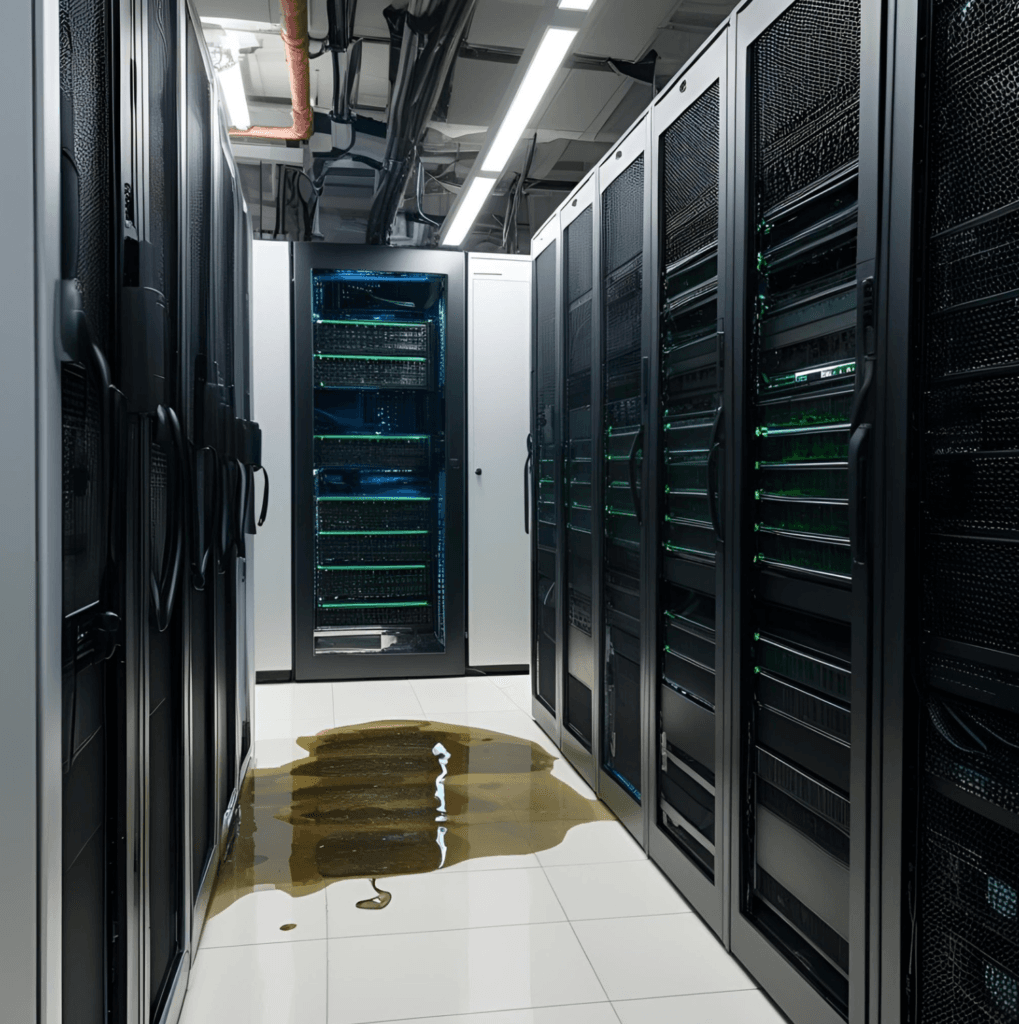
- Water leak in data center destroys extremely expensive servers
- Fuel tank does not seal properly and loses its contents
To protect valuable equipment such as servers or archives, a preventive leak detection system that performs a physical measurement at a specific location is the ideal solution. This system uses liquid-detecting cables and/or probes that immediately notify the relevant department via an alarm system at the slightest detection of liquid.
To protect an entire building against leaks in a cost-effective way, our AquaVision line is the best solution. This module monitors your water usage, learns your building’s behavior, and detects abnormalities using an intelligent algorithm. In the event of a leak, it can shut off the valve to that section of the building, preventing further damage or waste.
Wasteful Leaks
If installed incorrectly or if defective, typical water-using appliances can consume much larger amounts of water than intended. Here are a few typical situations:
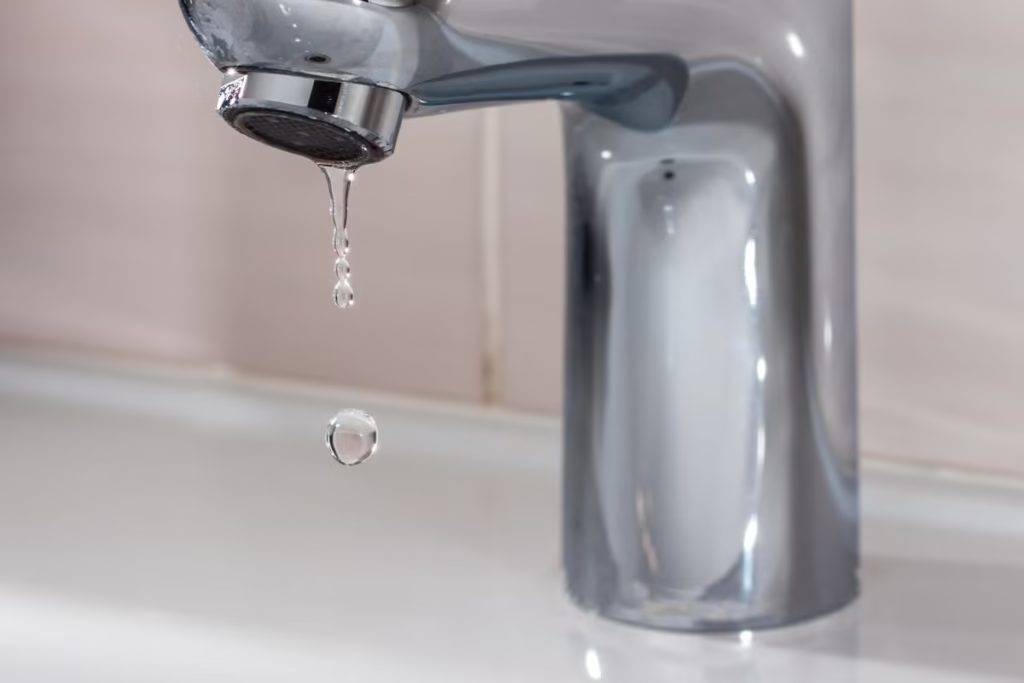
- Leaking faucet: 1 liter per hour, 24 liters per day, or 10,000 liters per year!
- Toilet that keeps flushing: 300 liters per hour, 7,200 liters per day.
- Faulty pump backwash filter: 2,000 liters per hour or 48,000 liters per day.
Leaks like these are usually only noticed when the water bill arrives. A leak can therefore easily go unnoticed for months and cost thousands of euros.
One solution to these kinds of problems is an algorithmic leak detection system. This smart device monitors your water usage and, in the event of a leak, can alert the user and shut off a faucet.
Environmentally harmful leaks
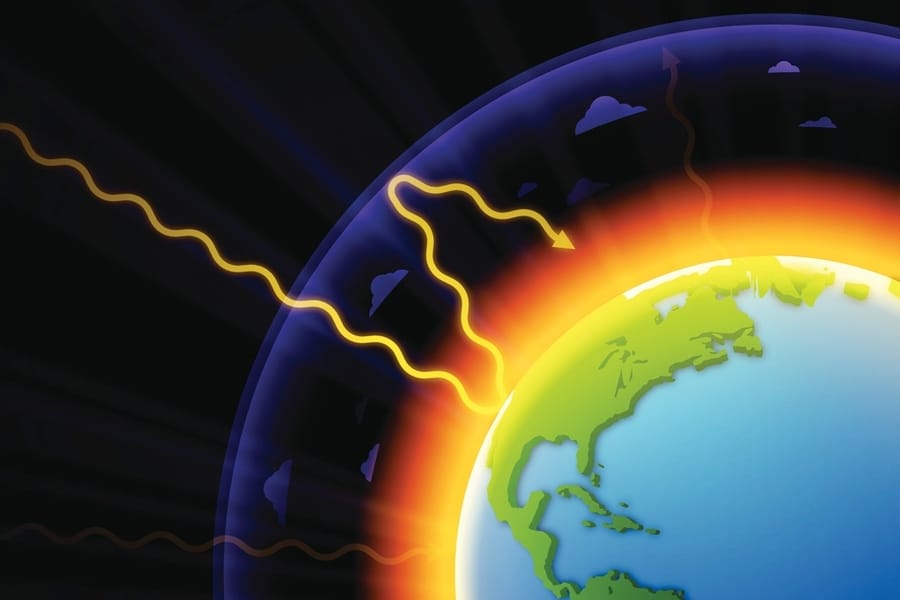
Refrigerant gases are potent greenhouse gases and have a direct impact on climate change. That is why it is important to quickly detect refrigerant leaks and take action.
Gas leaks are difficult to quantify, so this problem is usually solved by installing a sensor in the system that triggers an alarm when it detects a certain amount of refrigerant in the room. The amount of refrigerant gas that has leaked can then be determined when the machines are refilled.
Check out our refrigerant gas detectors on the page about Consumption Meters.